

What a Professional Roof Repair Includes
A roof repair involves correcting specific problem areas within the roofing system to restore proper function and prevent further deterioration. This service is typically performed when damage, leaks, or localized failure affect isolated sections of the roof.
Identification of Problem Areas
The roof repair process begins by locating the specific areas where issues are occurring and identifying how they are affecting the system.
Typical problem areas reviewed during this phase may include:
- Active leaks or areas showing signs of water intrusion
- Sections with visible damage or material displacement
- Areas where performance has changed over time
- Isolated sections showing irregular wear or deterioration
Source Detection & Cause Analysis
Roof repair requires identifying the underlying cause of the issue rather than addressing only the visible symptoms.
Conditions typically analyzed during this stage include:
- Entry points where water may be penetrating the system
- Failures in flashing, seals, or connection points
- Material breakdown contributing to system vulnerability
- Conditions allowing recurring issues to develop
Material Condition in Affected Areas
Materials surrounding the problem area are evaluated to determine how far the issue has extended and whether repair is appropriate.
Material conditions commonly reviewed include:
- Deterioration of shingles or roofing components
- Damage to surrounding materials adjacent to the issue
- Loss of integrity in localized sections of the system
- Indicators of progression beyond the initial problem area
Flashing, Transitions & Penetrations
Critical transition points are evaluated to determine if integration failures are contributing to the issue.
Areas commonly reviewed during evaluation include:
- Roof penetrations such as vents, pipes, and mechanical components
- Flashing at walls, chimneys, and intersecting rooflines
- Transition areas where materials meet or change direction
- Points where previous repairs may have altered system performance
Repair Scope Determination
The evaluation defines the appropriate scope of
roof repair based on the findings and overall system condition.
This determination process typically includes:
- Identifying whether the issue is isolated or widespread
- Evaluating if targeted repair can resolve the condition
- Determining the extent of work required to correct the issue
- Assessing whether additional areas should be addressed proactively
Documentation & Recommended Actions
All findings are documented to support the roof repair process and provide a clear understanding of the recommended corrective approach.
This documentation process typically includes:
- Recording the location and severity of identified problems
- Outlining the recommended repair approach
- Providing clarity on next steps and expected outcomes
- Organizing findings to support decision-making
Understanding what a roof repair service includes provides clarity on how issues are identified and addressed. The following section explains when roof repair typically becomes necessary.
When a Roof Repair Becomes Necessary
Roof repair typically becomes necessary when specific issues such as leaks, damage, or localized failure begin to affect the performance of the roofing system. These conditions indicate that targeted correction may be required to restore proper function.
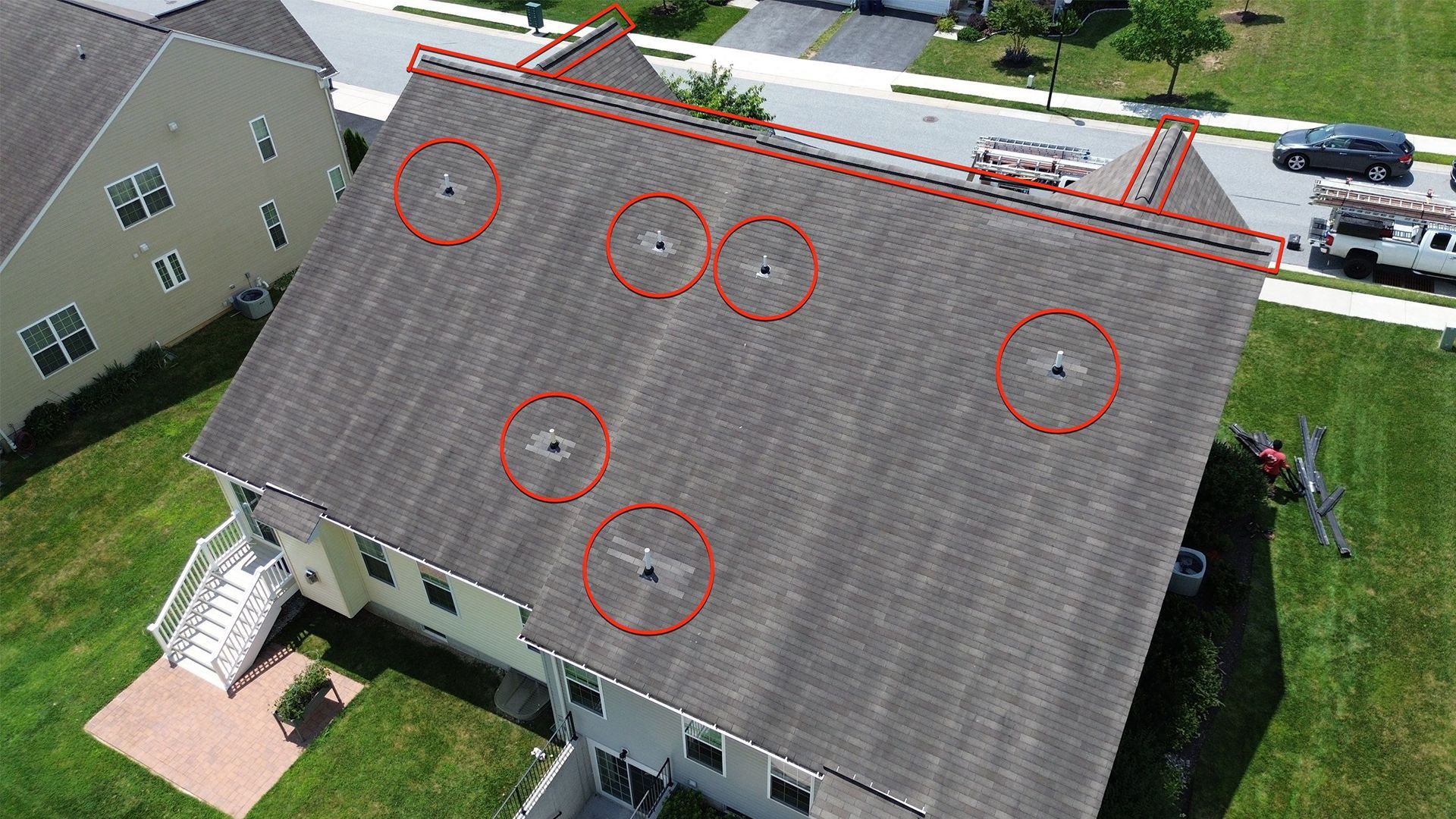
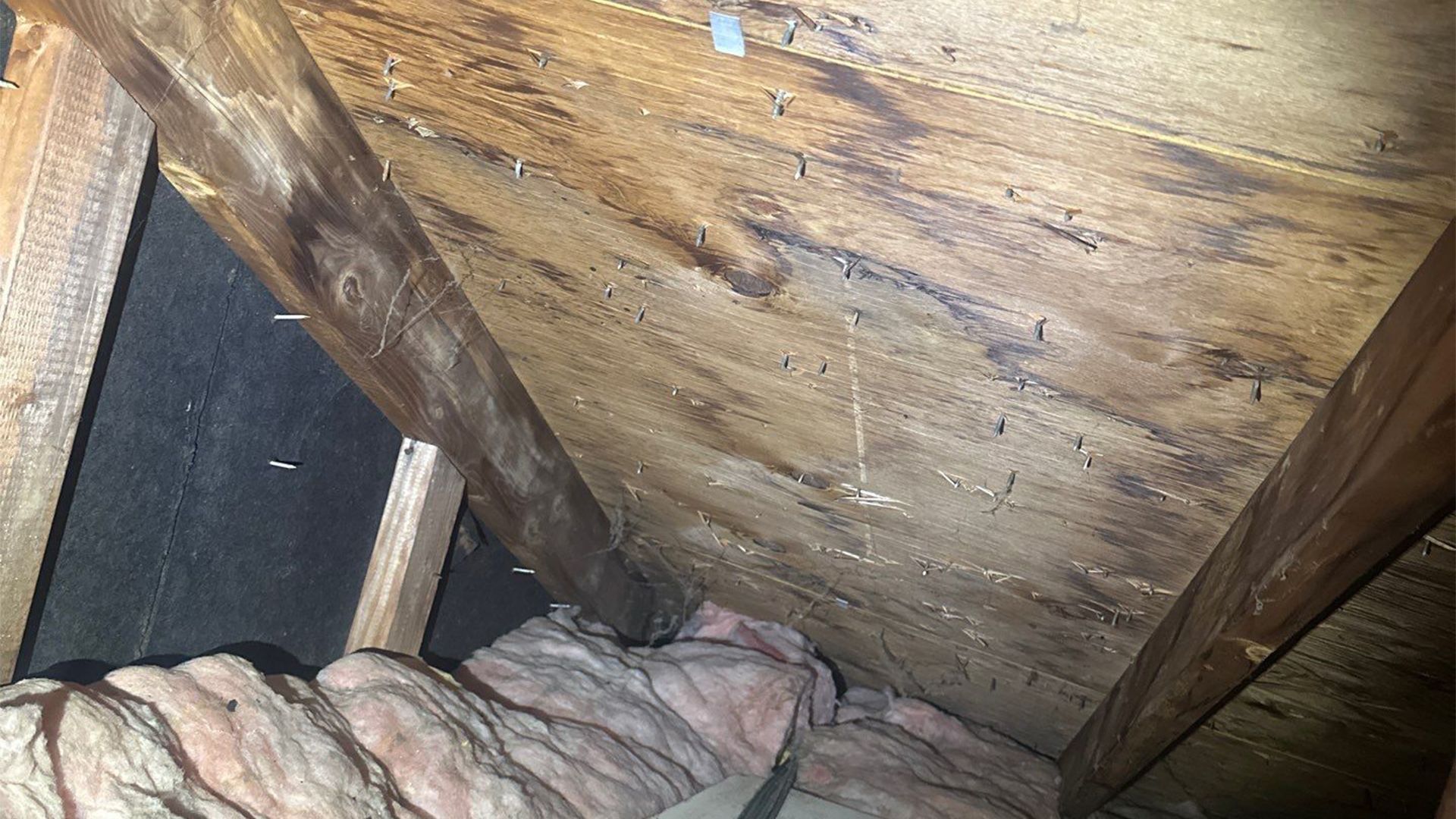
Every roof repair begins with confirming the location, severity, and cause of damage. Areas of concern and normal conditions are documented so repair decisions are based on verified findings rather than assumptions.
Exterior repair planning focuses on common vulnerability points such as penetrations, flashing transitions, ridge lines, valleys, and drainage pathways. These areas are evaluated to determine how water intrusion or material failure developed and how repairs should be performed.
When accessible, interior attic and structural components are also reviewed to identify moisture indicators, decking conditions, fastener penetration performance, and ventilation influences that may affect repair durability.
Repair solutions are explained in clear, practical language, outlining recommended corrective work, expected outcomes, and long-term maintenance considerations. The goal is to provide clarity and confidence in repair decisions, not pressure or unnecessary complexity during a roof repair evaluation.
Understanding when roof repair becomes necessary helps identify when targeted correction is appropriate. The following section outlines the specific conditions roof repair is designed to address.
Conditions & Problems a Roof Repair Addresses
Roof repair is designed to address specific conditions that affect isolated areas of the roofing system. These issues typically develop due to damage, material failure, or breakdown at critical points within the system.
Leak Source Correction
Roof leaks often develop when flashing systems, penetrations, or roofing materials fail and allow water to enter the roofing assembly.
Repairs focus on locating moisture entry pathways, sealing transition points, and restoring waterproofing layers to prevent continued interior or structural damage.
Corrective repairs may involve replacing damaged materials, reinforcing flashing, or correcting drainage conditions that allow water to accumulate or migrate beneath roofing components.
Storm & Impact Damage
High winds, hail, fallen debris, and severe weather events can displace roofing materials, damage flashing, or expose underlying roof components.
Professional roof repairs correct impact damage, wind-lifted materials, and weather-related vulnerabilities that reduce system reliability.
Repair work restores material attachment integrity, seals compromised transition areas, and reinforces vulnerable roofing sections exposed by storm conditions.
Material Deterioration
Roofing materials naturally deteriorate over time due to environmental exposure, temperature cycling, and weather stress.
Repairs correct cracked, curled, or deteriorated roofing materials, sealant failure, and fastener performance issues that develop as roof systems age.
Corrective repairs restore protective surface layers, maintain material compatibility, and extend service life when the overall roofing system structure remains stable.
Flashing & Transition Failures
Roof transition areas and penetrations represent some of the most common sources of roof failure.
Repairs correct compromised flashing systems, vent and pipe penetration seals, skylight transitions, and drainage pathways that allow water intrusion or material breakdown.
Repair solutions restore water diversion design, reinforce penetration sealing, and correct drainage flow patterns that can accelerate roofing system deterioration.
By identifying specific roofing system failures and correcting them with targeted roof repair solutions, professional roof repairs restore performance, protect structural components, and help prevent minor issues from developing into larger restoration needs.
Risks of Delaying Necessary Roof Repairs
Roof systems can appear stable while underlying deterioration continues to develop beneath the surface.
When needed repairs are postponed, small defects can expand into broader structural, moisture, and performance issues that affect multiple components of the roofing assembly.
Moisture Intrusion Expansion
Minor breaches in roofing materials allow water to enter over time. When not addressed promptly, moisture can spread into decking, insulation, and structural elements.
This process often occurs without immediate visibility, allowing conditions to worsen gradually.
What begins as a localized repair condition can extend into a larger area of impact if left unresolved.
Increased Repair Scope
Delayed repairs can allow surrounding materials to deteriorate, increasing the amount of work required to restore system performance.
Components that could have been corrected through targeted repair may require broader intervention as damage progresses.
Addressing issues early helps limit the scope, complexity, and disruption associated with future repair work.
Operational and Planning Uncertainty
Unresolved roof conditions create uncertainty when evaluating maintenance priorities, budgeting, and long-term property planning.
Without corrective action, it becomes difficult to determine the stability and remaining service life of affected areas.
Even minor visible damage can lead to uncertainty about underlying conditions if not repaired and documented.
Timely roof repairs help contain damage, maintain system performance, and provide clear documentation of corrected conditions before issues expand into larger structural or moisture-related concerns.
What Defines a Structured Roof Repair Process
Roof repairs vary in approach, scope, and level of documentation. A structured repair process focuses on identifying the source of failure, correcting the affected area, and confirming system stability after the work is completed. Clear communication and documented findings help ensure repairs are understood and traceable over time.
Source-Focused Repair Evaluation
Effective roof repair begins with identifying the underlying cause of the issue, not just the visible symptom. Areas surrounding the damaged section are reviewed to understand how water entry, material breakdown, or mechanical damage developed.
1. Failure points identified and assessed
2. Adjacent areas reviewed for spread
3. Repair scope defined by condition
Material and Transition Integration
Repairs are performed with attention to how new materials integrate with existing roof components. Transitions, seams, and penetrations are addressed to maintain continuity across the repaired section.
1. Compatible materials selected
2. Transition areas reinforced
3. System continuity maintained
Verification Beyond Surface Conditions
When conditions allow, surrounding layers and structural indicators are reviewed to confirm that damage has not extended beyond the visible repair area. This helps reduce the likelihood of recurring issues.
1. Surrounding materials checked
2. Structural indicators observed
3. Repair limits confirmed
Clear Documentation of Completed Work
Repair details are recorded to provide clarity on what was corrected and where work was performed. This documentation supports maintenance planning, future inspections, and long-term system tracking.
1. Repair areas documented
2. Work scope recorded
3. Reference points established
A structured repair approach helps contain damage, restore performance, and provide a clear record of work completed, supporting ongoing maintenance and long-term roof system stability.
Professional Repair Standards You Can Rely On
The effectiveness of a roof repair depends on the standards, methods, and documentation behind the work. Consistent repair practices, accurate condition assessment, and clear records help ensure repairs are performed correctly and remain traceable over time across all property types.
Experienced Repair Evaluation
Repair planning begins with hands-on assessment of materials, transitions, and visible structural indicators.
Conditions are reviewed to determine the most appropriate correction approach for the affected area.
System-Based Repair Approach
Repairs are performed with attention to how the corrected area interacts with surrounding roof components.
Work is completed with the goal of maintaining continuity across the system rather than treating issues in isolation.
Interior & Exterior Condition Review
When accessible, both exterior and interior indicators are considered to confirm the full extent of damage.
This helps identify whether moisture or structural impact extends beyond the visible repair area.
Photo-Documented Repair Areas
Repair locations and completed work are documented with photos to provide clear visual reference points.
This supports transparency and creates a record for future inspections and maintenance.
Clear Written Repair Summaries
Repair details are recorded in straightforward language that explains what was corrected and where work was completed.
Documentation supports ongoing system tracking without unnecessary technical complexity.
Consistent Repair Standards
Repair methods and documentation practices follow a consistent process across all projects.
This helps ensure repeatable quality and clear reporting regardless of property type or roof configuration.
Objective, Evidence-Based Work
Repair decisions are based on observed conditions and material performance indicators.
Work is guided by physical findings rather than assumptions or generalized assessments.
Accountable Local Repair Service Provider
Repairs are completed by a locally established provider with a focus on documentation, clarity, and traceable work history.
This supports long-term service continuity and reliable reference for future evaluations.
A structured repair process supported by consistent standards, documentation, and condition-based decision making helps ensure roof repairs are completed with clarity, accountability, and long-term system stability.
Trusted for Reliable Roof Repair Across the Region
Property owners rely on our roof repair services for clear communication, consistent workmanship, and dependable follow-through. The feedback below reflects real experiences from clients who have worked with our team to address active roof issues and restore system performance.
⭐ With over 300 verified reviews across Google, Facebook, and other top platforms, we’re proud to maintain a
4.9-star rating.
Consistent feedback reflects a commitment to clear repair documentation, professional service standards, and reliable results across residential, commercial, and multi-unit properties.
Roof Repair FAQs
Roof repair projects often raise questions about scope, timing, and what to expect during the process.
The answers below address common questions related to identifying repair needs, performing corrective work, and understanding how repairs support long-term roof system performance.
What conditions typically require roof repair?
Roof repair is commonly needed when materials become damaged, displaced, or deteriorated. This can include missing or lifted shingles, flashing failures, minor leaks, sealant breakdown, or localized impact damage affecting a specific area of the roof system.
How is the repair area identified?
The affected section is located through visible condition assessment and review of surrounding materials. Repair planning focuses on the source of the issue and the extent of impact to ensure the correct area is addressed.
How long does a typical roof repair take?
Repair time varies depending on the type of damage, accessibility, and materials involved. Many localized repairs can be completed within a short timeframe, while more complex conditions may require additional evaluation and scheduling.
Can repairs be completed without replacing the entire roof?
Yes. Roof repairs are designed to correct specific problem areas while preserving the remaining system when conditions allow. The goal is to restore performance in targeted locations without unnecessary full replacement.
Will repairs stop an active leak?
When the source of water entry is identified and corrected, repairs are intended to stop ongoing moisture intrusion. Additional areas may be reviewed to confirm that water has not spread beyond the original point of entry.
Are interior areas ever reviewed during a repair visit?
When accessible, interior indicators such as attic spaces or structural decking may be observed to help confirm the extent of moisture impact and verify that the repair scope addresses the correct source.
Is documentation provided after the repair is completed?
Yes. Repair work can be documented with written summaries and photos to record what was corrected and where the work was performed. This supports future inspections, maintenance planning, and system tracking.
How do I know if a repair is sufficient or if more work is needed?
Repair decisions are based on observed conditions at the time of evaluation. If damage is limited to a specific area, a targeted repair may be appropriate. If broader deterioration is present, additional work may be discussed based on documented findings.
Understanding how roof repairs are evaluated, performed, and documented helps property owners make informed decisions about maintaining roof performance and addressing issues before they expand.
Schedule a Professional Roof Repair Evaluation
A structured repair evaluation provides clarity on active roof issues, identifies the source of damage, and outlines the appropriate corrective approach so informed decisions can be made with confidence.
What to Expect From Your Repair Evaluation
Targeted assessment of the affected area | Review of surrounding materials and transitions | Interior verification when accessible | Clear documentation with photos and written summaries
Schedule Your Roof Repair Evaluation
